
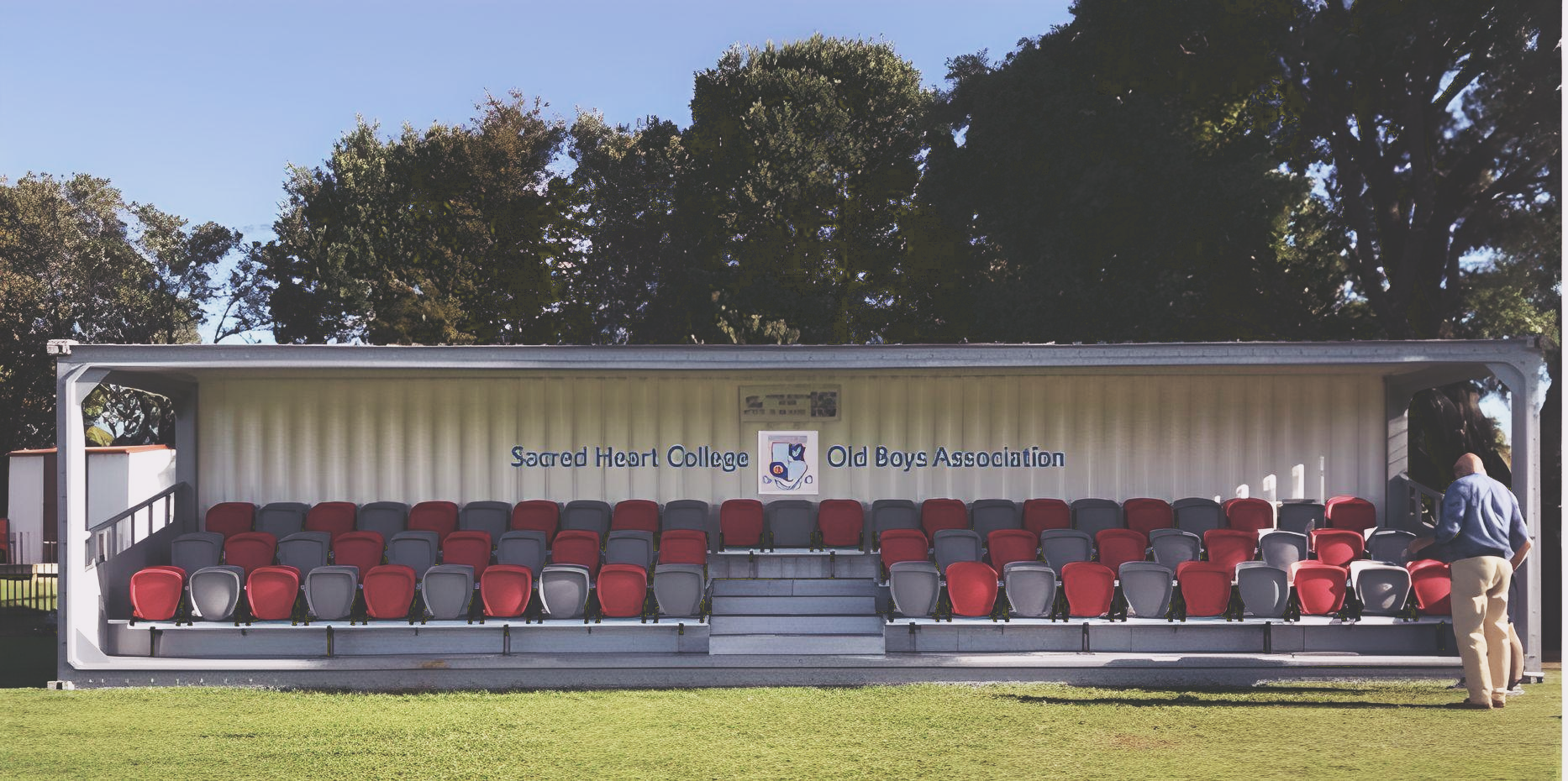
Grandstand Containers: Revolutionizing Seating for Football Clubs in World Cup 2026
As football clubs prepare for the World Cup 2026, innovative solutions like grandstand containers are transforming how events are hosted and experienced. This post explores the growing popularity of grandstand containers, their relevance to football events, and cost predictions for this trend.
Why Grandstand Containers Are Popular in Football
- Flexibility and Scalability
- Grandstand containers offer remarkable flexibility, allowing for quick assembly and disassembly. This agility makes them ideal for football clubs needing adaptable seating solutions for varying audience sizes and venue configurations.
- Cost-Effectiveness
- Compared to traditional construction, grandstand containers are a cost-effective option. Their modular design reduces material waste and construction time, leading to significant budget savings.
- Sustainability
- Using repurposed shipping containers promotes environmental sustainability. Football clubs benefit from reduced carbon footprints while meeting the demand for eco-friendly infrastructures.
- Rapid Deployment
- Grandstand containers can be quickly deployed, allowing football clubs to respond promptly to increased demand, such as during major events like the World Cup.
Impact on the World Cup 2026
- Temporary Venues
- The World Cup 2026 will see increased use of grandstand containers for temporary venues. These structures provide the flexibility to host matches in diverse locations, enhancing accessibility.
- FIFA Regulations and Standards
- Grandstand containers meet FIFA’s stringent safety and comfort standards. Their ability to comply with international regulations makes them attractive for organizing committees.
- Fan Experience
- Enhanced spectator experiences are possible with grandstand containers. They offer modern amenities like VIP boxes and concession areas, elevating the overall event atmosphere.
Predicting Costs
- Initial Investment
- The cost of grandstand containers varies based on customization and location. Basic setups are affordable, but luxury features can increase expenses. Clubs can expect initial investments ranging from $50,000 to $200,000, depending on capacity and amenities.
- Logistics and Maintenance
- Transporting and installing grandstand containers involves logistics costs, but their modularity ensures efficiency. Long-term maintenance costs are minimal due to durable materials like steel.
- Operational Savings
- Despite upfront costs, clubs benefit from lower operational expenses over time, owing to the reusable nature of grandstand containers and reduced need for permanent infrastructure.
Conclusion
Grandstand containers are revolutionizing football club operations, especially in preparation for the World Cup 2026. By offering flexibility, sustainability, and cost-effectiveness, they represent the future of seating solutions in sports events. As demand grows, grandstand containers will continue shaping football experiences, offering clubs a dynamic and adaptive infrastructure.